Published 2026-09-14 · updated 2026-09-25 — part of an ongoing build diary of dated, real measurements, not a one-time proof of the platform's superiority.
Does iteration change the winner?
Everything measured elsewhere on this site is one build. The real question a single build can't answer: once realistic follow-up work (add a field, reorder content, add a note, change an option) is layered on round after round, does antd's head start survive, or does rebar-ui's pay-once-at-migration cost structure eventually overtake it? Rather than stop at an arbitrary round count, each tier was iterated until it actually crossed over — a measured answer, not an extrapolation. Run 2026-08-30 against rebar-ui v0.1.0.
Condition A — antd direct. Build the UI against Ant Design components, then apply one follow-up prompt per round, repeated until crossover.
Condition B — rebar-ui, then migrate once. Build the same UI headless with rebar-ui, apply the identical follow-up prompts, then reimplement it directly in antd once at the end (the migration step — see below for why this isn't a codemod run here).
- Simple — A settings form — a handful of fields, one submit action.
- Composite — A list view with filters, a modal, and inline validation.
- Complex — A multi-step wizard: table + form + confirmation dialog + tabs.
packages/core CSS and BlockRenderer.tsx, and in the process made a second, undisclosed, unrelated change to a shared button style. That edit was reverted immediately; nothing from it is in the numbers below, and the library's own docs now state the refusal as an explicit rule rather than leaving it to an individual agent's judgment. Every round below was redesigned around content/structure changes instead (add a field, reorder, add a note, change an option, cycling through those four types) — requests both architectures can actually express.Cumulative marginal cost per round (Claude, harness-subtracted)
"rebar-ui + migration" adds the one-time migration cost to round 0, so the two lines are comparable at every round, not just at the end. Green marker = the round where rebar-ui + migration first becomes cheaper than antd.
Complex — crosses over at round 13
Composite — crosses over at round 14
Simple — crosses over at round 17
Final state (post-crossover), one representative build per condition
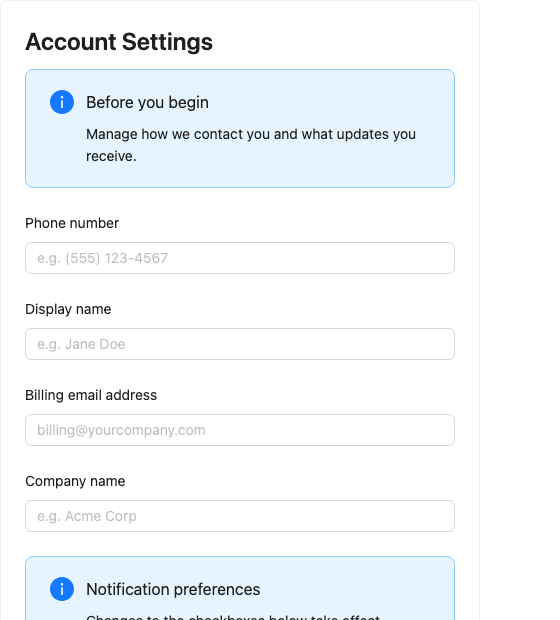
antd · Simple (round 17)

rebar-ui · Simple (round 17)
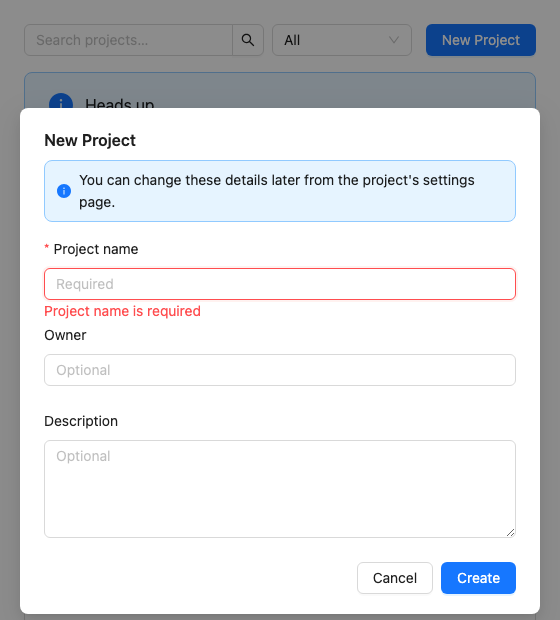
antd · Composite (round 14)
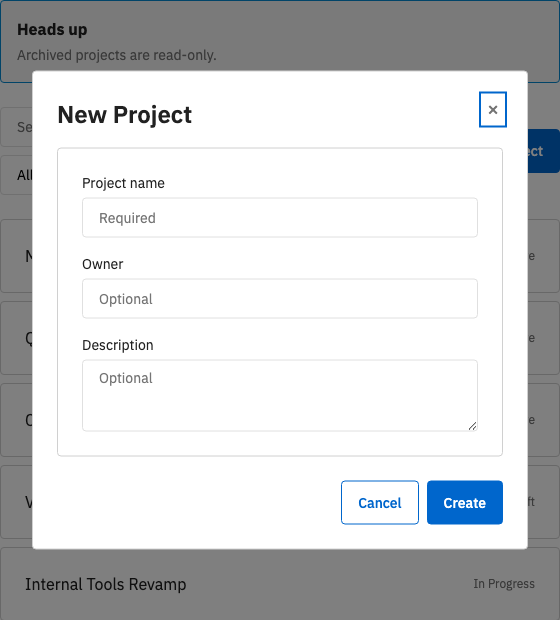
rebar-ui · Composite (round 14)

antd · Complex (round 13)
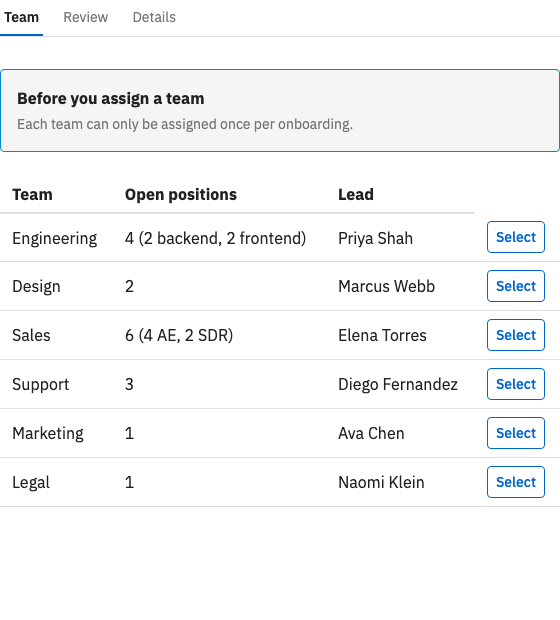
rebar-ui · Complex (round 13)
Caveats: n=1 per round per condition (97 dispatches total across all three tiers) — a single round's number can swing (see round 15's temporary reversal above), so the exact crossover round for any tier could land a little earlier or later on a repeat. Migration here is a full LLM rewrite to equivalent antd code, not a partial codemod pass, so it's a real, fully-counted cost, not an underestimate. Every final state typechecked and was Playwright-verified.
@rebar-ui/placement schema specifically). That's not a flaw in the comparison — reaching for a small, complete unit needs far less training familiarity to use well than assembling one from a large component API does, which is a real advantage of the tier system independent of training exposure. But it does mean today's numbers likely understate rebar-ui's ceiling, not overstate it — the image-prompt experiment shows a real, measurable "unfamiliar schema" tax (extra lookup calls before the prompt was refined to spell the schema out directly). If a future model were actually trained on examples of this schema, that residual tax would plausibly shrink further, on top of the advantage already measured here — a directional expectation, not something this page has tested.